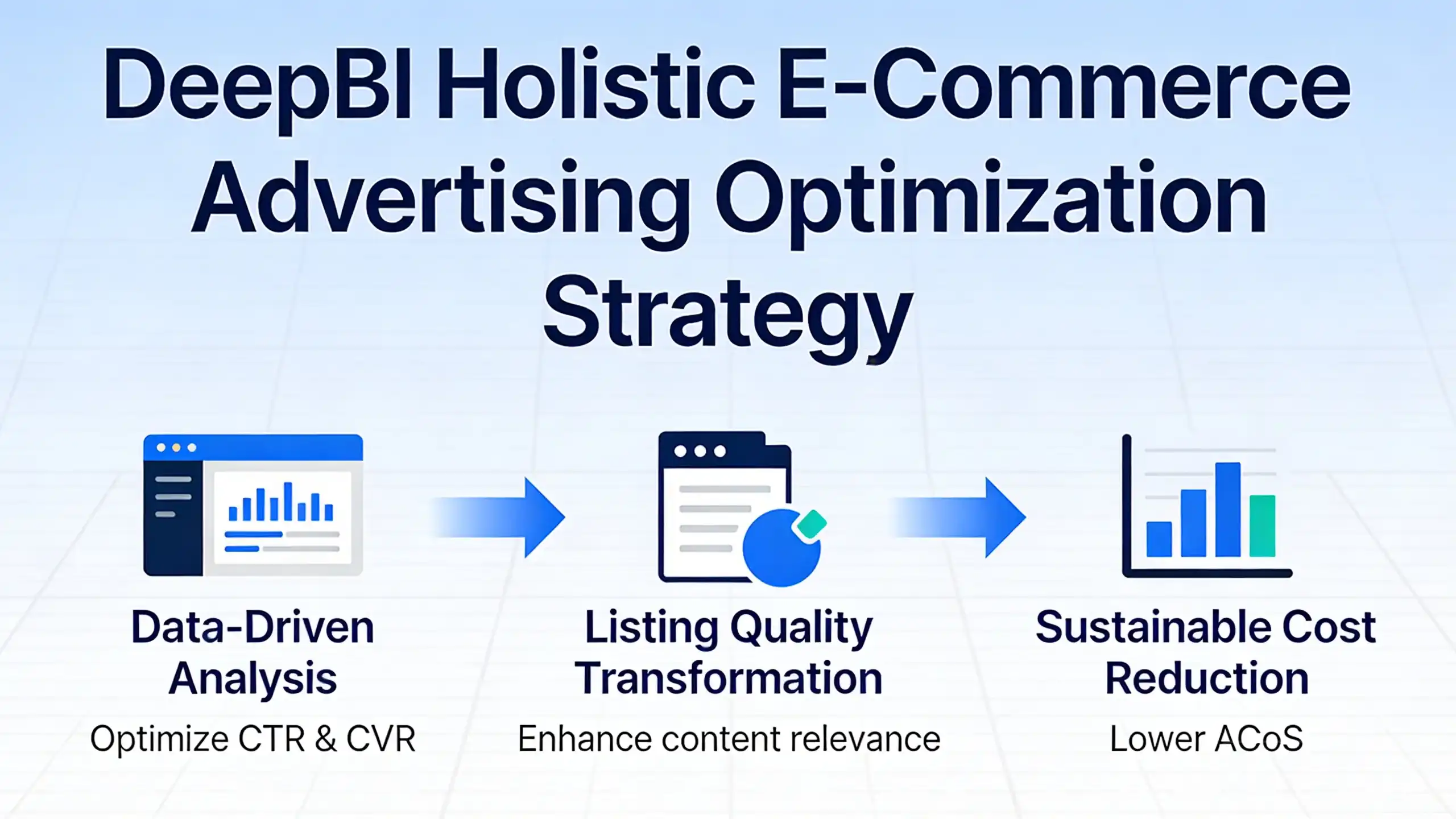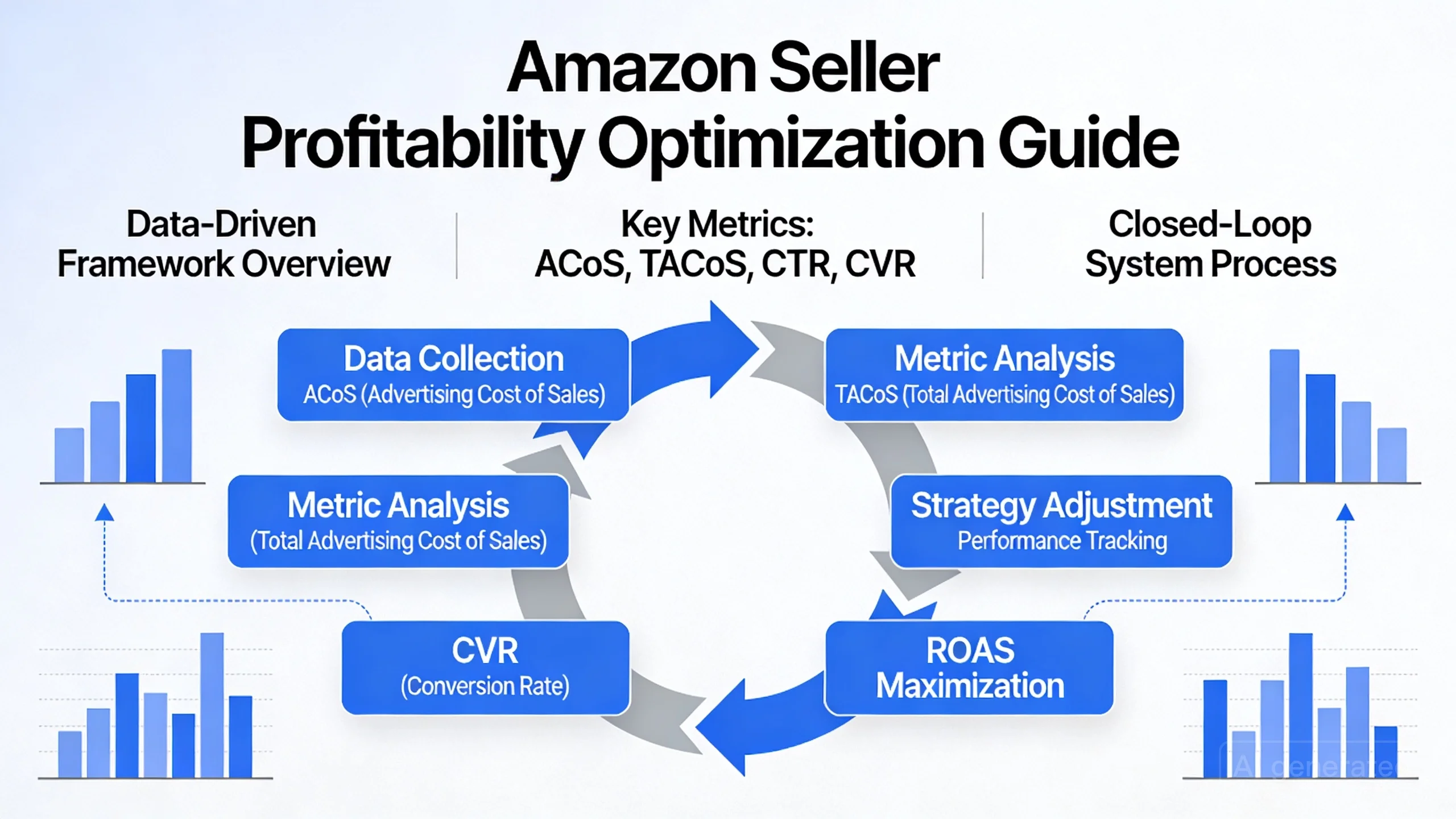
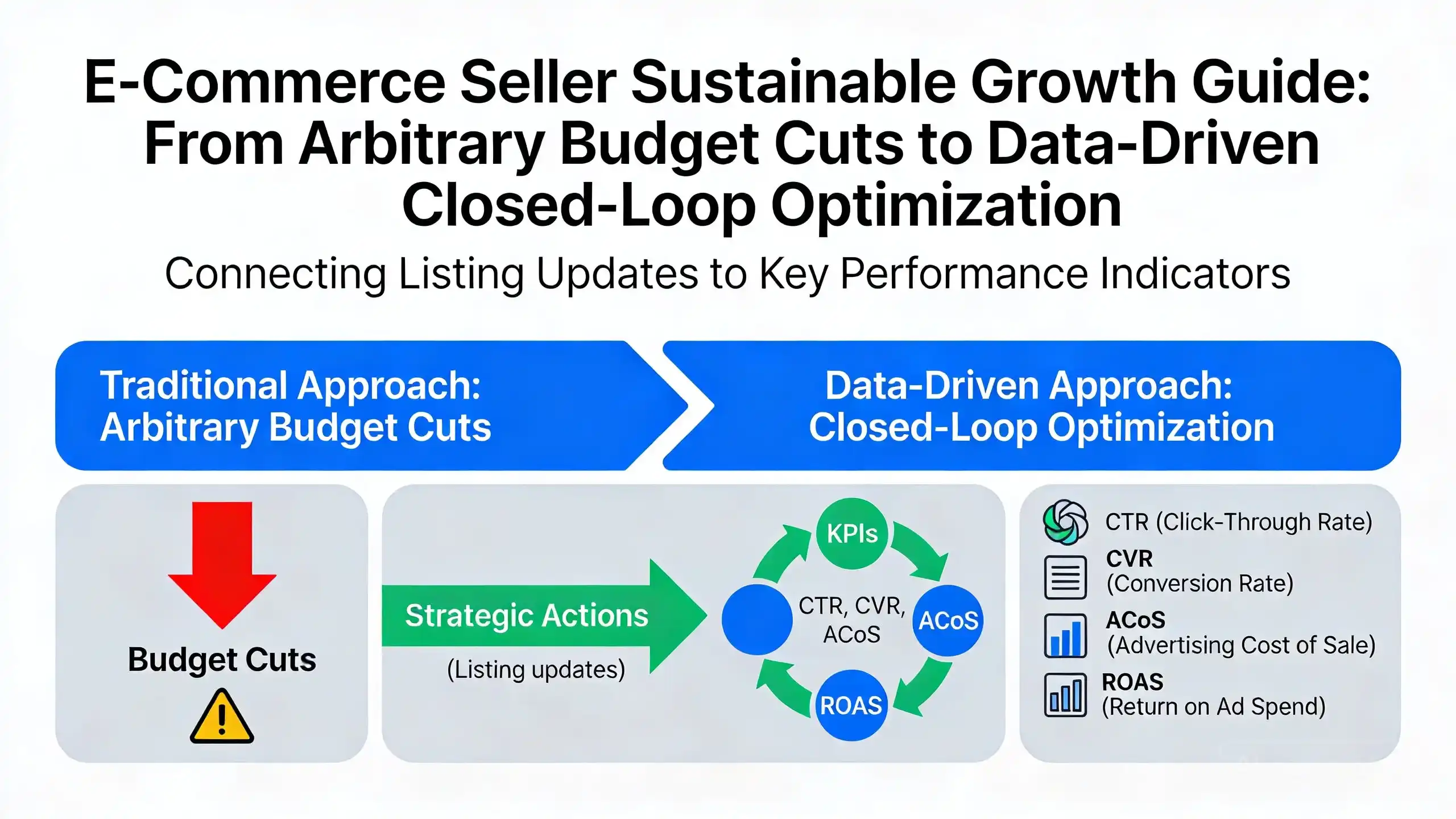
For Amazon sellers, the drive to reduce advertising costs is constant. However, the most common approach—simply slashing campaign budgets—is a short-term fix that often throttles growth and sacrifices market share. True cost reduction isn't about spending less; it's about spending smarter. The ultimate goal is to increase the profitability of every dollar spent, systematically lowering your Advertising Cost of Sale (ACoS) while simultaneously scaling revenue. This requires a shift from arbitrary budget cuts to a strategic focus on operational efficiency and maximizing Return on Ad Spend (ROAS).
The primary obstacle to achieving this efficiency is the disconnect between optimization efforts and their quantifiable impact on performance. Sellers frequently update product listings, tweak keywords, or refresh creative assets based on intuition or aesthetic preference. Yet, they lack a reliable mechanism to measure whether these changes actually improve key metrics like Click-Through Rate (CTR) and Conversion Rate (CVR). Without a data-driven feedback loop, optimization becomes a cycle of guesswork, leaving ad performance stagnant and valuable insights undiscovered.
This guide provides a definitive framework to break that cycle. We will move beyond subjective decision-making and into the realm of data-driven, closed-loop optimization. You will learn how to connect every strategic action directly to your advertising KPIs, creating a system that not only reduces wasted ad spend but also fuels sustainable, profitable growth on the Amazon marketplace.
 Understanding the True Cost of Amazon Advertising: Beyond Just Spend
To effectively manage and reduce your Amazon advertising costs, you must first look beyond the simple ad spend figure. True cost control begins with a firm grasp of the key performance indicators that directly link ad spend to overall business profitability. Mastering these metrics allows you to make data-driven decisions that align your advertising strategy with your financial goals.
ACOS vs. TACOS: Why Both Matter for Profitability
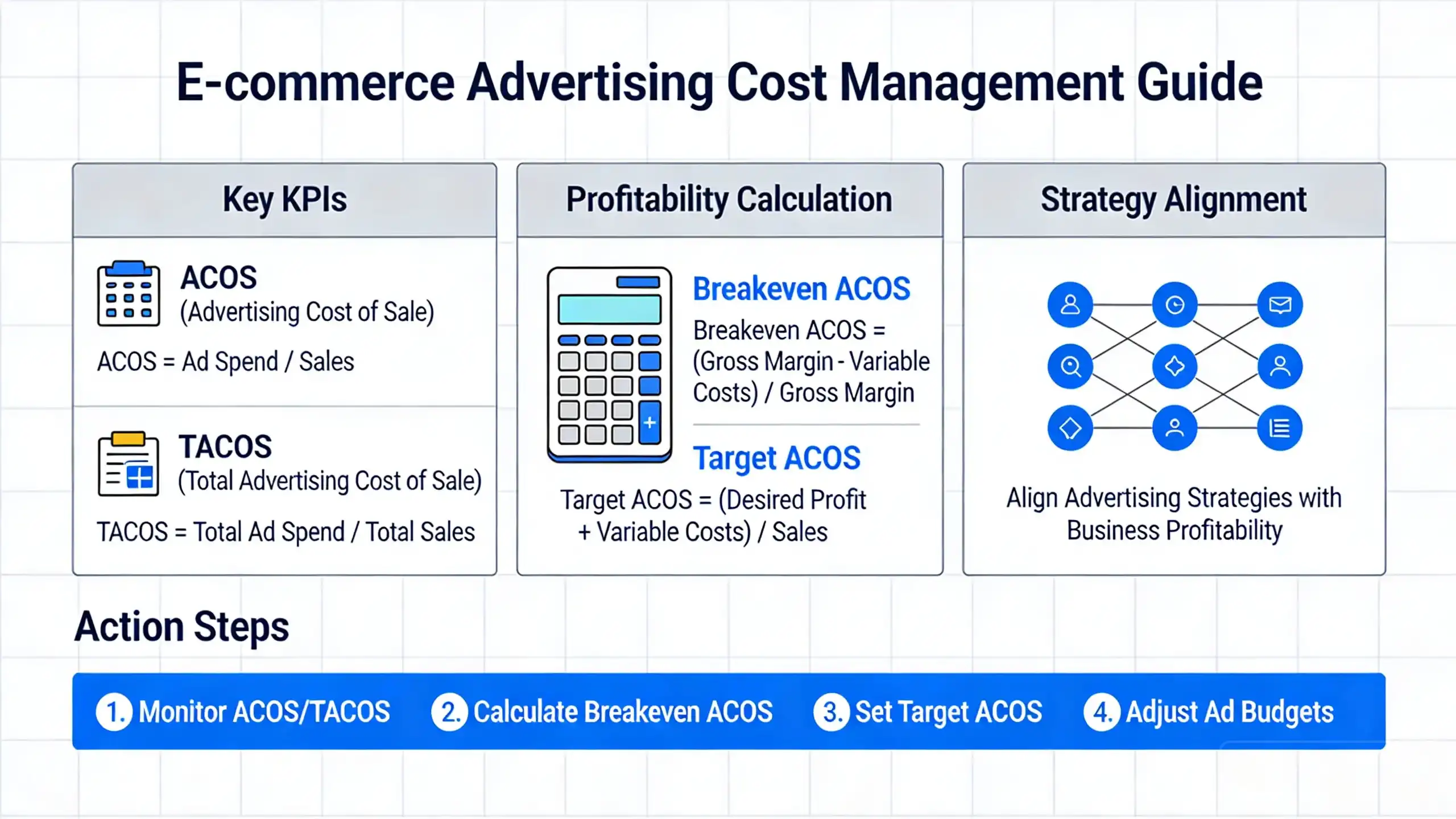
Two fundamental metrics govern the health of your Amazon PPC campaigns: Advertising Cost of Sale (ACoS) and Total Advertising Cost of Sale (TACoS).
- ACoS (Advertising Cost of Sale): This metric measures the efficiency of your ad campaigns in isolation. It tells you what percentage of your ad-generated revenue was spent on advertising.
- Formula: ACoS = (Ad Spend / Ad Revenue) x 100
- A low ACoS indicates high campaign efficiency, but it doesn't show the full picture of your account's health.
TACoS (Total Advertising Cost of Sale): This metric provides a holistic view by measuring your ad spend against your total* revenue (both ad-generated and organic). It helps you understand if your advertising is successfully boosting organic sales—the "halo effect."
- Formula: TACoS = (Ad Spend / Total Revenue) x 100
- A decreasing TACoS over time suggests your ads are effectively improving organic rank and brand visibility.
Calculating Your Breakeven and Target ACOS
Your profit margin is the ultimate benchmark for your advertising. To ensure your ads are profitable, you must calculate your breakeven ACoS.
- Breakeven ACoS: This is the ACoS at which you neither make nor lose money on a sale. It is equal to your product's pre-ad profit margin.
- Formula: Breakeven ACoS = (Sale Price - COGS - Amazon Fees - Shipping Costs) / Sale Price
- The costs included will differ based on your fulfillment method (FBA vs. FBM), directly impacting your margin and breakeven point.
Once you know your breakeven ACoS, you can set a Target ACoS. For profitability, your Target ACoS must be lower than your Breakeven ACoS. However, for strategic goals like a new product launch or aggressive market share growth, you might temporarily set a Target ACoS at or even above your breakeven point.
 Strategic Pillars for Cost-Effective Amazon Ads
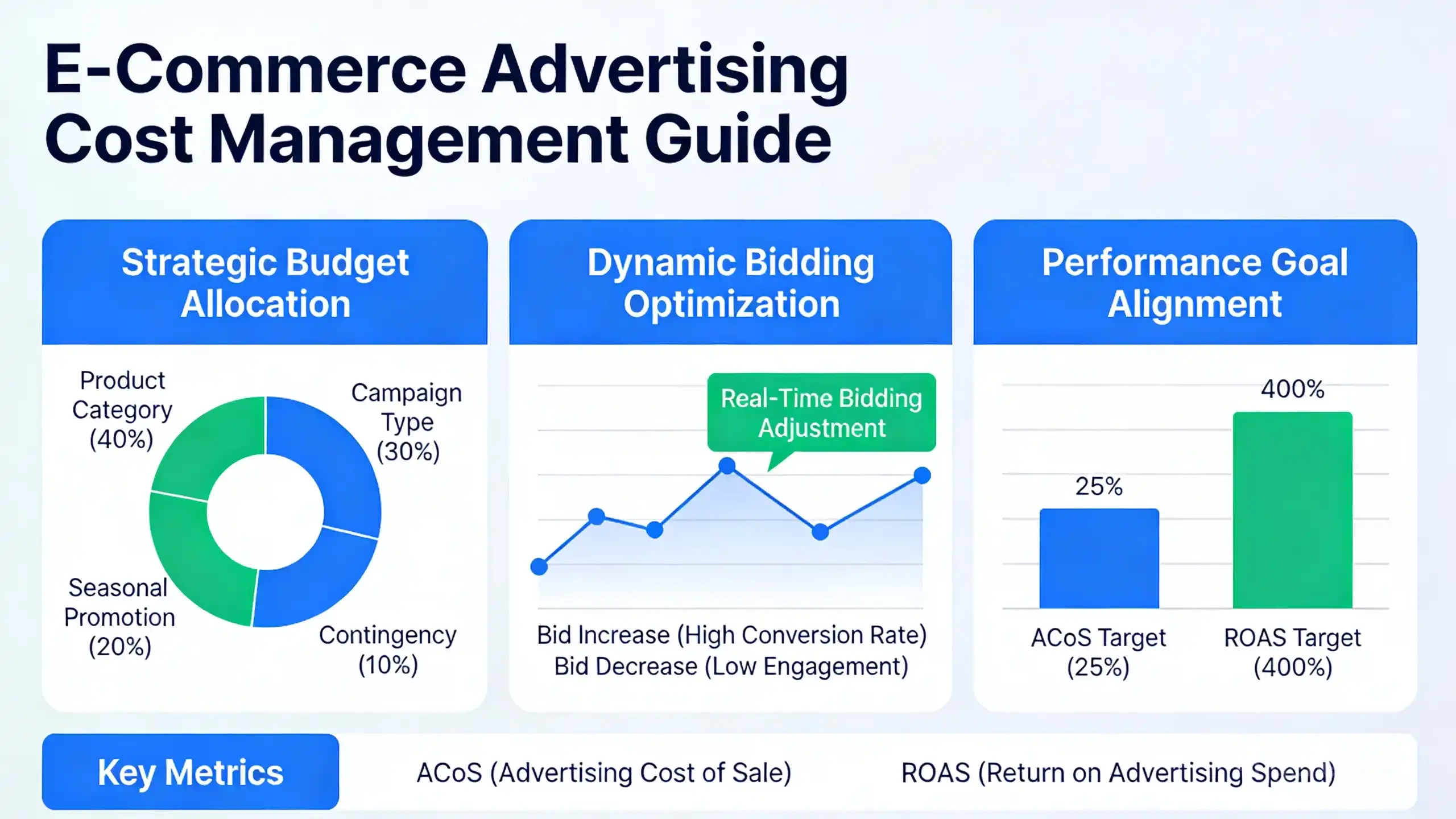
Moving beyond foundational metrics, effective cost management hinges on two core strategic pillars: intelligent budget allocation and adaptive bidding. A successful Amazon advertising strategy is not a "set it and forget it" system; it requires a dynamic approach that aligns spending with specific business objectives and responds to real-time market conditions. By mastering how to distribute your budget and adjust your bids, you can significantly lower your ACoS while maximizing your return on ad spend (ROAS).
Optimizing Ad Budget Allocation Across Campaign Types
A uniform budget across all campaigns is a recipe for inefficiency. Instead, allocate your ad spend strategically based on the unique role of each ad type and its performance.
- Sponsored Products: As the primary driver of direct sales, these campaigns should receive the bulk of the budget, especially for keywords with a proven history of high conversion rates (CVR). Continuously shift funds from underperforming targets to those delivering a low ACoS.
- Sponsored Brands: Allocate a portion of your budget here for top-of-funnel brand building and defending your branded search terms from competitors. The goal is often impression share and new-to-brand customer acquisition.
- Sponsored Display: Use this for retargeting campaigns to re-engage shoppers who have viewed your products but not purchased. This budget is focused on nurturing consideration and closing sales loops.
Dynamic Bidding Strategies for Efficiency
Amazon’s dynamic bidding strategies allow you to automate bid adjustments based on the likelihood of a conversion, but choosing the right one is critical for cost control.
- Dynamic bids - down only: This is the most conservative setting. Amazon will only lower your bid for clicks deemed less likely to convert. It's the safest option for protecting your budget and maintaining a stable ACoS.
- Dynamic bids - up and down: This strategy gives Amazon permission to increase your bid (by up to 100%) for top-of-search placements and decrease it otherwise. Use this for aggressive growth phases, product launches, or on campaigns with consistently high CVR.
- Fixed bids: Your bid is not adjusted by Amazon. This offers maximum manual control, which can be useful for targeting specific ad placements, but it carries the risk of overpaying if not monitored closely.
The optimal bidding strategy is not static; it should be tailored to each campaign’s specific goal, whether it's profitability, visibility, or market penetration.
 Tactical Optimizations to Drive Down Ad Spend
Effective cost management moves beyond high-level strategy into the daily and weekly execution of campaign adjustments. Without diligent diagnosis, optimization is impossible; you are simply groping in the dark. The following tactics provide a framework for precision targeting that directly lowers your Advertising Cost of Sales (ACoS) and improves overall profitability.
Precision Keyword Targeting and Negative Keywords
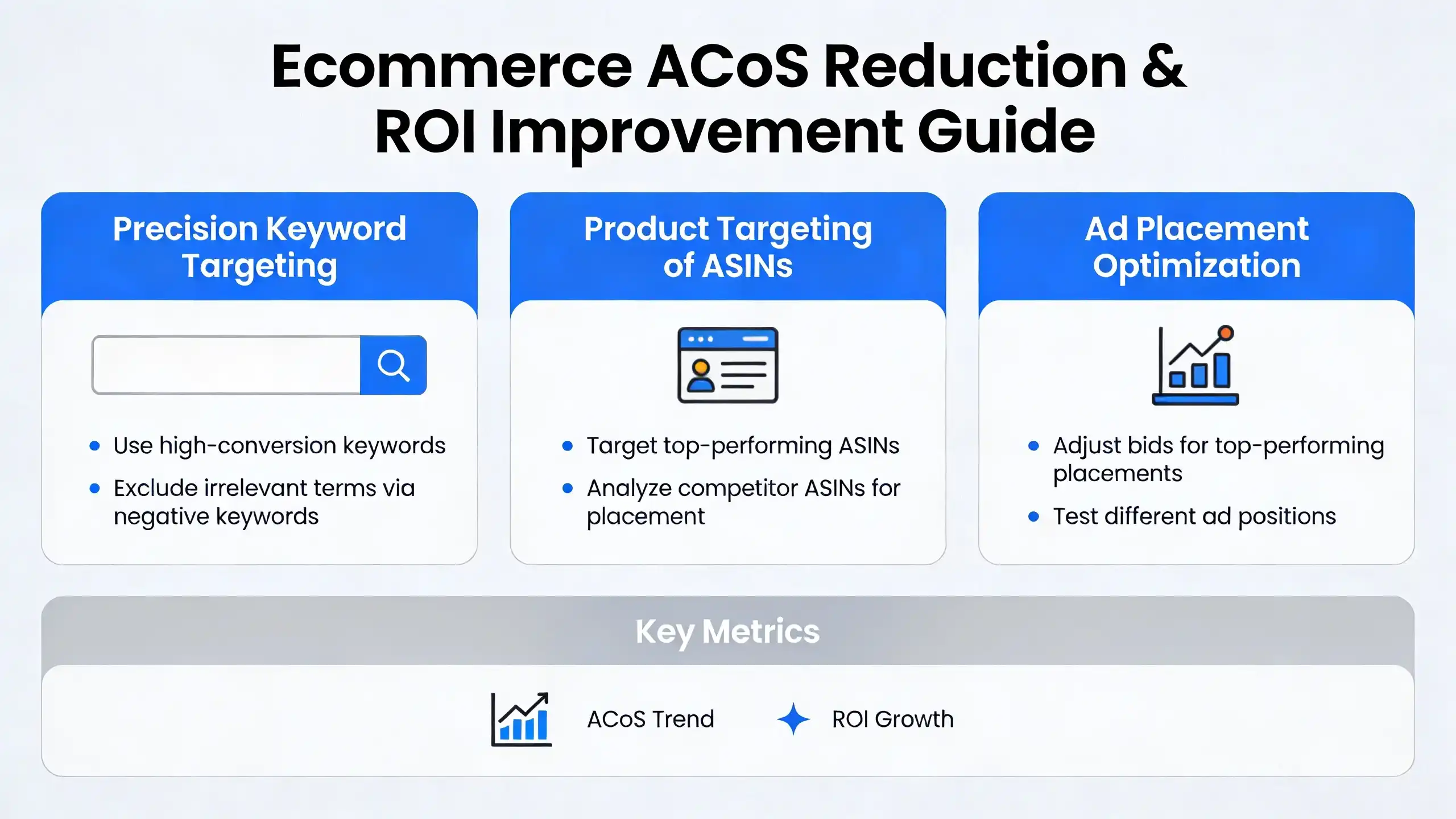
The foundation of cost control lies in refining what you bid on. Regularly analyze your search term reports to identify keywords that generate clicks but no sales. These budget-draining terms should be paused or moved to a lower bid. Concurrently, build a robust negative keyword list. Add irrelevant search queries as negative exact or phrase matches to prevent your ads from showing to unqualified shoppers. This single action immediately stops wasteful spending, ensuring your budget is allocated only to terms with a high probability of conversion.
Leveraging Product Targeting for Cost Control
Move beyond keywords by utilizing Product Targeting campaigns (PAT). Instead of bidding on search terms, you can target specific ASINs, categories, brands, or even products with certain star ratings. This allows you to place your ads on competitor listings or pages for complementary items. By identifying competitor ASINs with high traffic but weaker offerings, you can capture their customers at a potentially lower cost-per-click (CPC) than highly competitive keywords. Similarly, use negative product targeting to exclude your ads from appearing on irrelevant or low-performing product pages.
Ad Placement Optimization for Higher ROI
Amazon allows you to adjust bids based on where your ad appears: Top of Search, Rest of Search, and Product Pages. Analyze your placement reports to see which location delivers the best return on ad spend (ROAS). If you find that Product Page placements have a much lower ACoS than the expensive Top of Search, you can decrease your bid multiplier for the latter and increase it for the former. This data-driven reallocation of your budget ensures you spend more aggressively where you get the best results, maximizing your ROI without necessarily increasing your overall spend.
 The Interplay of Listing Quality and Ad Cost Efficiency
Your advertising campaigns can only be as effective as the product detail page they lead to. Driving paid traffic to an underperforming listing is one of the fastest ways to drain your budget, as every unconverted click represents a financial loss. A high-quality, fully optimized listing is the bedrock of ad cost efficiency and the key to maximizing your return on ad spend (ROAS).
How High-Converting Listings Reduce Ad Spend
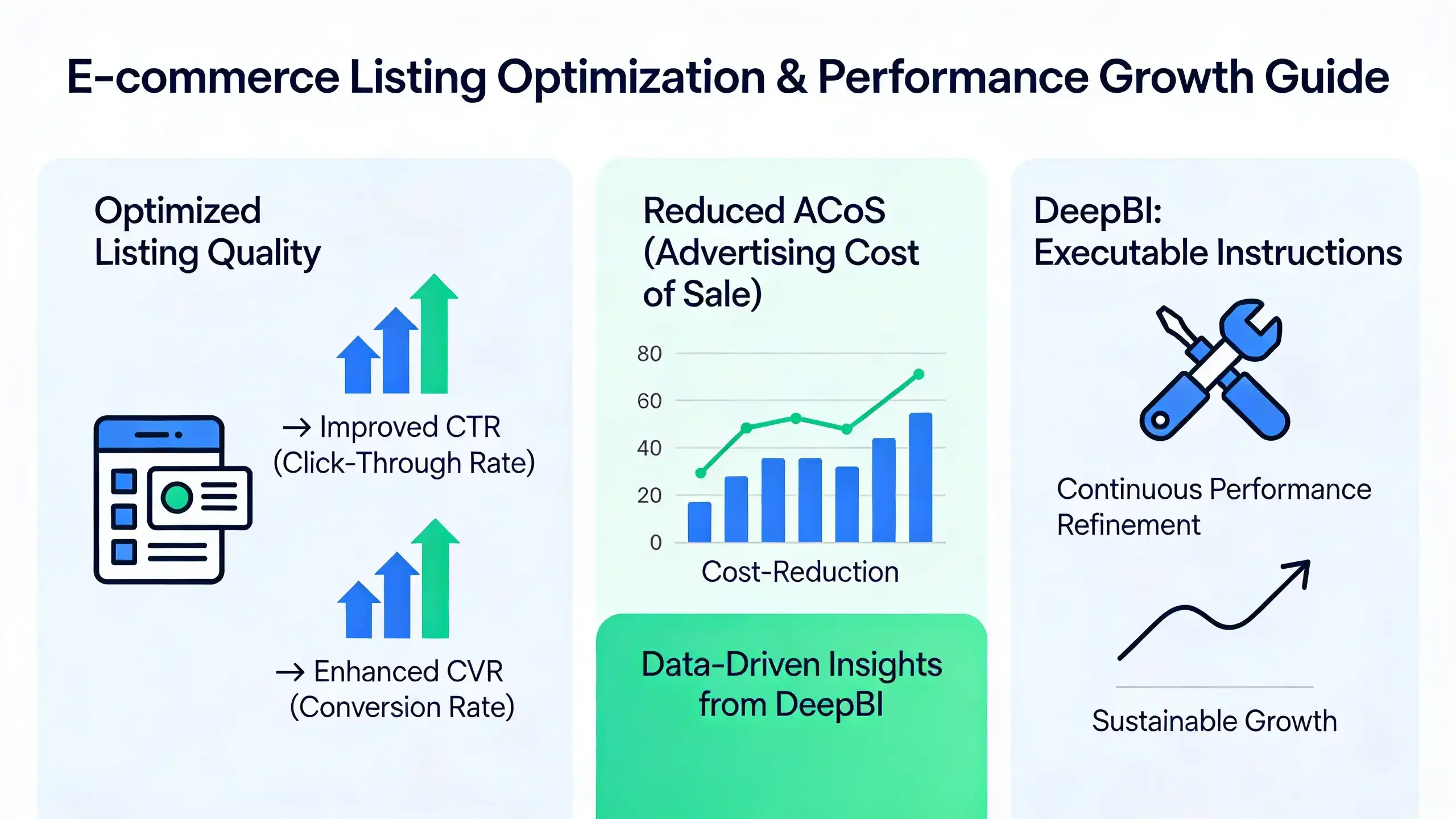
A well-crafted listing with compelling visuals, benefit-driven copy, and relevant keywords directly impacts the two most critical advertising metrics: Click-Through Rate (CTR) and Conversion Rate (CVR). A strong main image and title can dramatically increase your CTR, signaling to Amazon that your ad is relevant. Once a shopper clicks, the rest of your listing—from bullet points to A+ Content—must work to secure the sale, boosting your CVR.
When your CVR increases, you generate more sales from the same amount of ad spend. This immediately lowers your Advertising Cost of Sales (ACoS). Furthermore, Amazon's algorithm rewards ads with high CTR and CVR, often leading to better ad placements and potentially lower cost-per-click (CPC) over time, creating a virtuous cycle of profitability.
Continuous Listing Optimization with DeepBI
Achieving a high-converting listing is not a one-time setup; it requires continuous, data-driven refinement. Many sellers get stuck making changes based on intuition rather than performance metrics, leading to inconsistent results. DeepBI addresses this by functioning as an "automated market health check system," transforming your ad data into a clear roadmap for listing enhancement.
Instead of offering vague advice like "improve image quality," DeepBI provides precise, executable instructions with specific parameters for composition and lighting. This data-driven approach allows sellers to systematically improve visual content to increase CVR. Crucially, this process adheres to the principle of "product entity consistency," ensuring that optimizations enhance the product's presentation without altering its core attributes, thereby building customer trust and sustainable growth.
 Continuous Monitoring and Adaptation for Sustained Cost Reduction
Achieving a low ACoS is not a one-time fix but an ongoing discipline. The Amazon marketplace is a dynamic environment where competitor strategies, consumer search behavior, and platform algorithms constantly evolve. Sustained profitability requires continuous vigilance, data-driven analysis, and the agility to adapt your advertising strategy in response to real-time performance feedback.
Identifying Performance Shifts and Their Causes
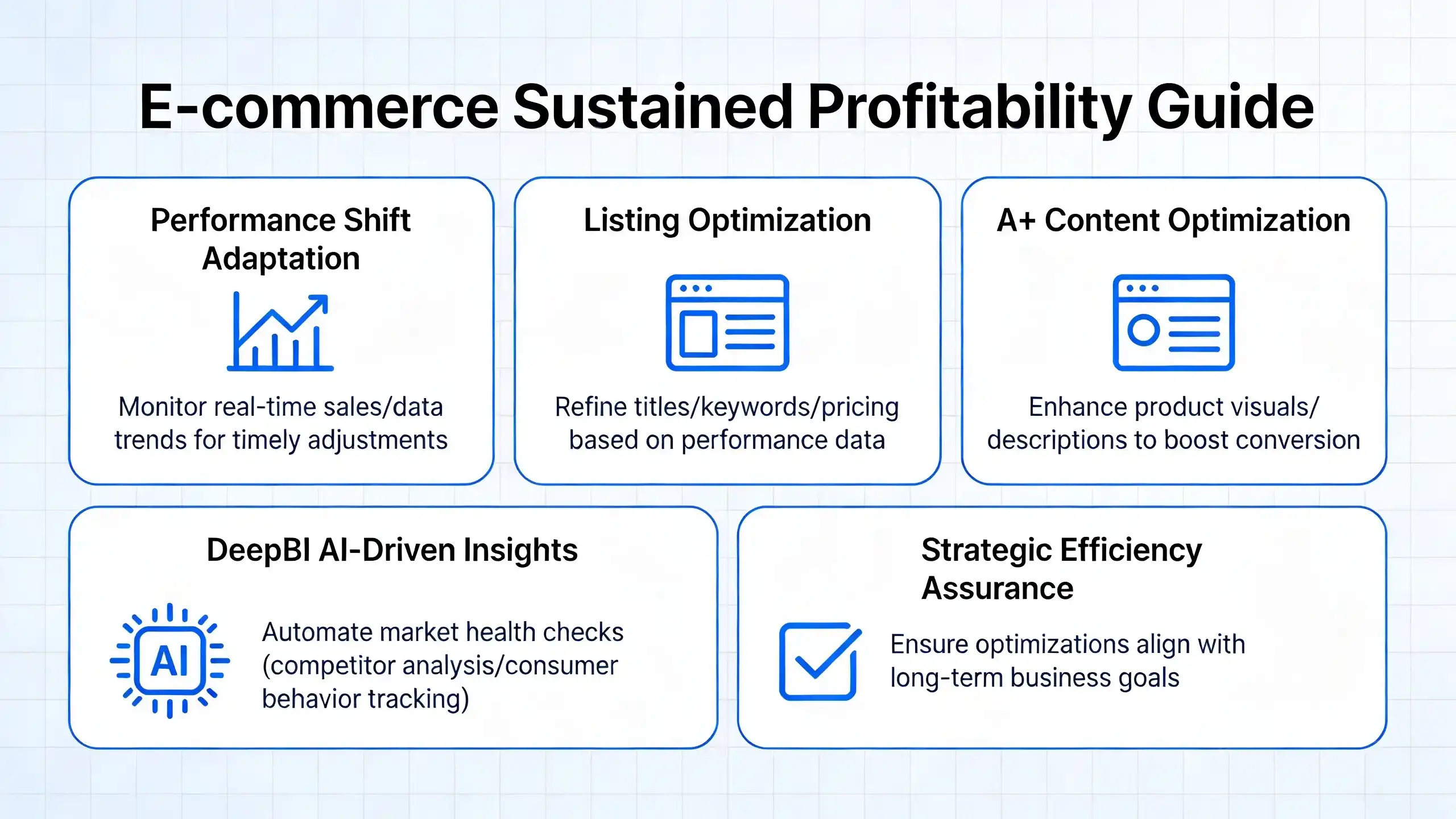
A sudden spike in ACoS or a dip in click-through rate (CTR) is rarely arbitrary. These shifts are symptoms of underlying causes, such as new competitors entering your niche, changes in seasonal demand, or negative reviews impacting conversion rates (CVR). Even the strategic function of your creative assets can change; visual elements like main images and A+ Content have evolved from simple displays into a 'core commercial engine' driving traffic and sales. Regularly reviewing campaign reports and BSR trends is essential to diagnose these performance shifts accurately and adjust your bids, keywords, or even your listing content before minor issues escalate into significant financial losses.
Automating Optimization with DeepBI's AI-Driven Insights
For efficiency-focused teams, manually tracking every market fluctuation is impractical. This is where automated tools become a strategic advantage. Instead of relying on periodic manual checks, you can leverage an 'automated market health check system' that uses AI to continuously analyze performance data against market benchmarks. By processing diagnostic reports and applying multimodal AI, such a system can flag performance degradation, identify its root cause—whether it's a suboptimal image or a new competitor's pricing—and provide data-backed recommendations. This allows your team to move beyond routine data collection and focus on high-impact strategic decisions, ensuring your campaigns adapt swiftly to maintain peak cost-efficiency.
 Conclusion: A Holistic Approach to Amazon Ad Cost Reduction
Achieving sustainable reductions in Amazon advertising costs is not the result of a single tactic but the outcome of a comprehensive, integrated strategy. True profitability emerges when sellers move beyond isolated bid adjustments and embrace a holistic view that connects ad performance directly to the quality of their product listings. This requires a disciplined fusion of strategic planning, precise tactical execution, continuous listing optimization, and vigilant data monitoring.
Managing these interconnected variables manually is a significant challenge. This is where advanced platforms become indispensable. Tools like DeepBI empower sellers to implement this holistic approach by transforming critical elements, like product imagery, from subjective art into data-driven science. It functions not as a mere creative tool, but as an "automated visual production system' driven by rigorous data." By systematically optimizing every component that influences both Click-Through Rate (CTR) and Conversion Rate (CVR), you create a powerful feedback loop where highly effective ads drive traffic to perfectly optimized listings. This synergy is the key to not just lowering your ACoS, but building a more resilient and profitable Amazon business for the long term.