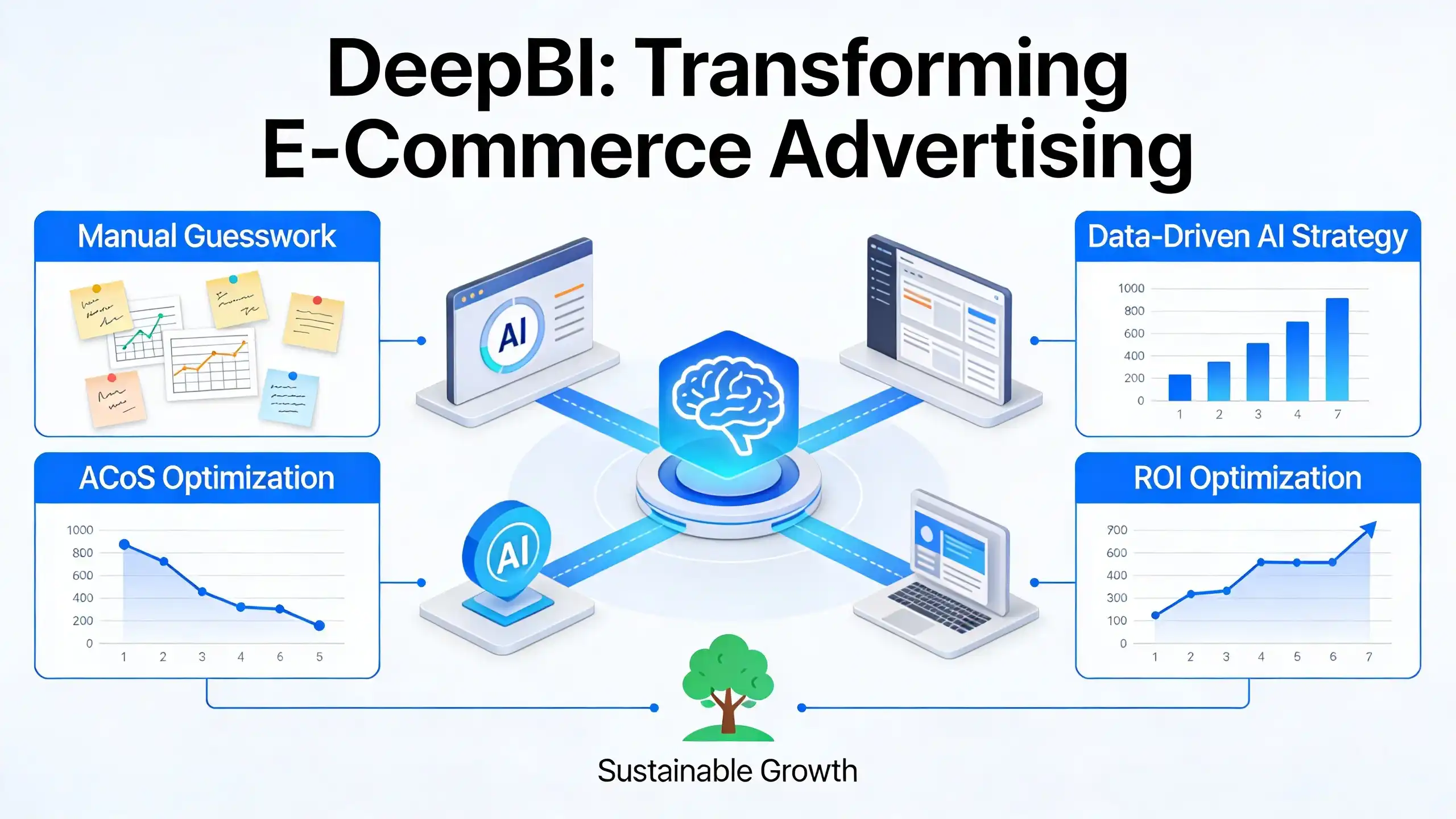
The Imperative of Amazon Ad Cost Control
In the hyper-competitive Amazon marketplace, aggressive advertising is no longer optional—it's essential for visibility. However, many sellers find themselves in a precarious position: ad spend is climbing, but profits are stagnating or even shrinking. This scenario, where high ad spend yields a low Click-Through Rate (CTR) and poor conversions, is a direct path to eroding your bottom line. Uncontrolled advertising costs can quickly consume your margins, turning top-line revenue growth into a net loss.
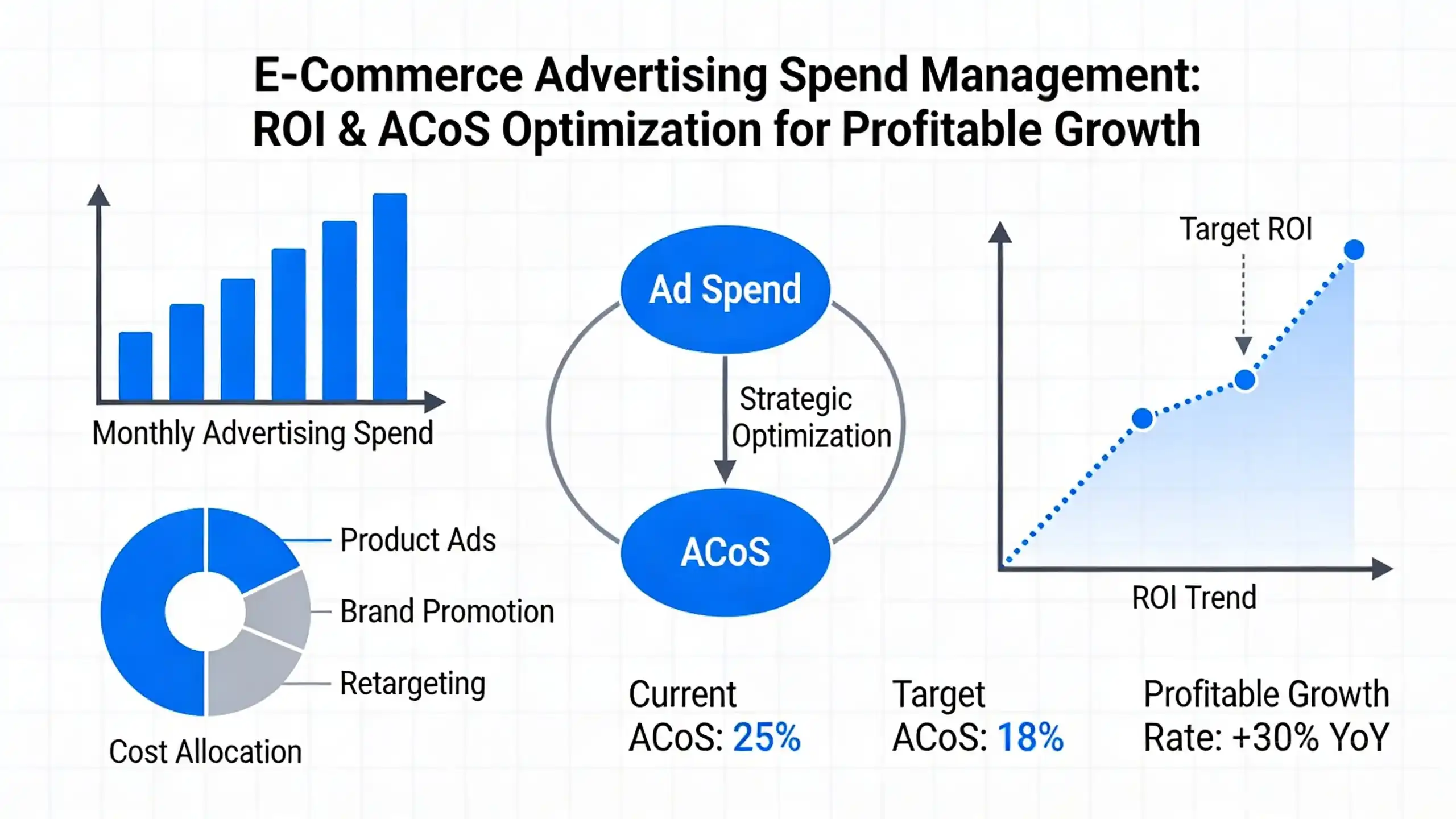
The core challenge lies in balancing the drive for visibility and sales with the necessity of financial discipline. Simply throwing more money at campaigns without a clear strategy is unsustainable. Effective ad cost control is not about arbitrarily cutting your budget; it's about maximizing the efficiency and profitability of every dollar you spend. It requires a strategic shift from focusing purely on spend to optimizing for Return on Investment (ROI) and a healthy Advertising Cost of Sale (ACoS).
Ultimately, mastering your ad spend is fundamental to your business's long-term survival and success on Amazon. It ensures that your growth is not just visible, but profitable, creating a sustainable foundation for scaling your brand in a marketplace where every percentage point matters.
 Understanding Amazon's Native Cost Control Mechanisms
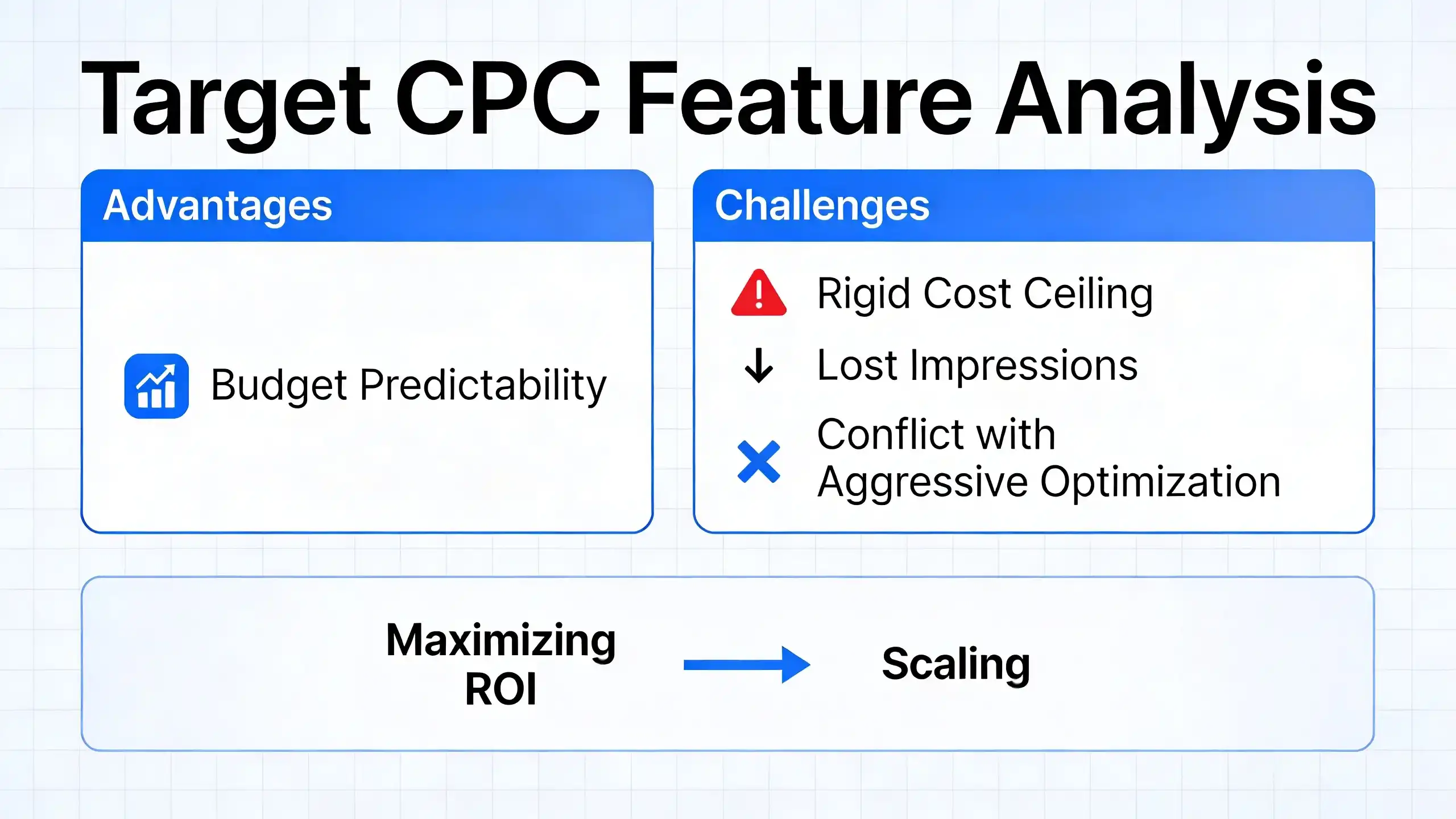
Amazon provides sellers with built-in tools to manage advertising expenditures, most notably the "target cost-per-click (CPC)" option available for Sponsored Brands and Sponsored Display campaigns. This feature is designed to give sellers a simple lever to prevent their CPC from exceeding a predefined threshold, offering a sense of budget predictability. While intended to be a safeguard, this mechanism operates with a rigidity that can undermine performance goals.
The fundamental limitation is that Amazon's system prioritizes the cost ceiling above all else. If the real-time, market-driven CPC for a valuable placement rises above your set target, your ad may not be served at all. This results in lost impressions, reduced ad delivery, and an inability to spend your full budget, effectively taking you out of the running for potentially high-converting traffic.
This creates a direct conflict for sellers employing aggressive optimization strategies that require full, dynamic control over bidding. If your strategy demands temporarily bidding higher to win a top-of-search placement or outmaneuver a competitor, the target CPC feature will actively block it. The system will override your strategic bid adjustments, whether manual or API-driven, if they exceed the cap. This forces a choice between Amazon's simplistic cost control and the granular management needed to maximize ROI and scale effectively.
 Core Strategies for Optimizing Amazon Ad Spend
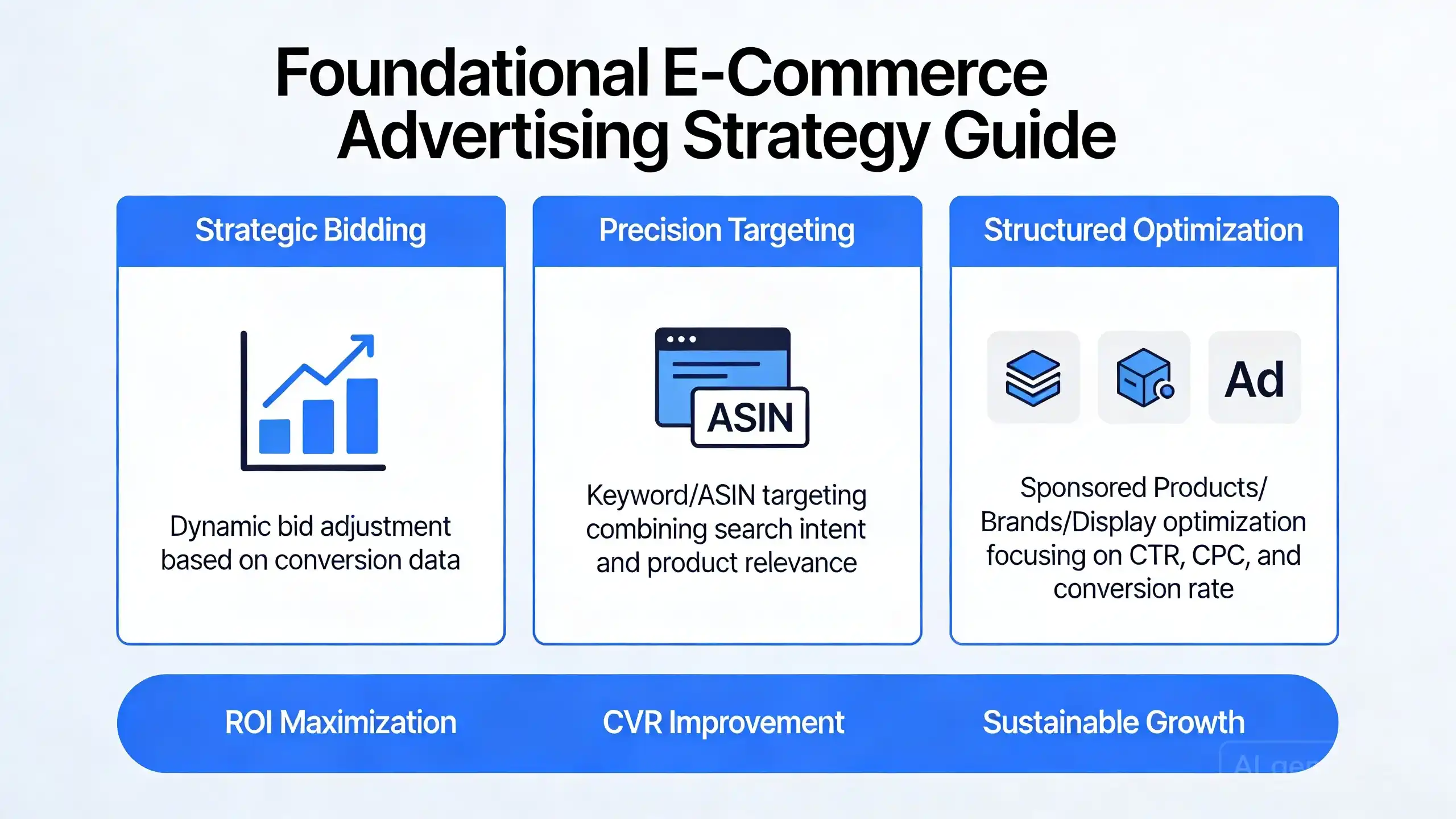
Effective advertising on Amazon is not about spending more; it's about spending smarter. Mastering foundational strategies is the first step toward maximizing your return on investment (ROI) and achieving sustainable growth. These core principles provide the control and clarity necessary to build a profitable advertising engine before layering on advanced automation.
Strategic Bidding and Budget Management
Your bidding strategy directly controls cost and visibility. Amazon’s dynamic bidding options—such as "down only" to reduce bids in real-time for less likely conversions, or "up and down" for more aggressive placement—offer different levels of control. The key is to align your choice with campaign goals, whether that's strict ACoS control or rapid market share capture. Furthermore, budgets should not be static. Allocate funds dynamically toward your highest-performing campaigns and products. Regularly analyze performance data to make informed bid adjustments, ensuring your ad spend is always working its hardest to drive conversions and improve your BSR.
Precision Targeting and Negative Keywords
Wasted ad spend is the silent killer of profitability. The antidote is precision. Start with exhaustive keyword research to uncover high-intent search terms that your ideal customers are using. Simultaneously, implement a robust negative keyword strategy. This is a continuous process of identifying and blocking irrelevant search queries that trigger your ads but don't convert, thereby preventing budget drain and improving your click-through rate (CTR). For a more direct competitive approach, leverage ASIN targeting to place your ads on competitor product detail pages, capturing market share at the point of decision.
Campaign Structure and Ad Type Optimization
A disorganized ad account is impossible to optimize. Structure your campaigns logically—by product category, match type, or strategic goal—to simplify performance analysis and budget management. A holistic strategy utilizes Amazon's full suite of ad types. Sponsored Products are crucial for capturing bottom-of-funnel demand, Sponsored Brands build top-of-funnel awareness and brand equity, and Sponsored Display ads are effective for retargeting and reaching audiences off-Amazon. Finally, remember that even the best targeting fails with poor creative. Continuously test your ad copy and primary images to find the combination that most effectively boosts CVR and lowers ACoS.
 Leveraging DeepBI for Intelligent Ad Cost Control
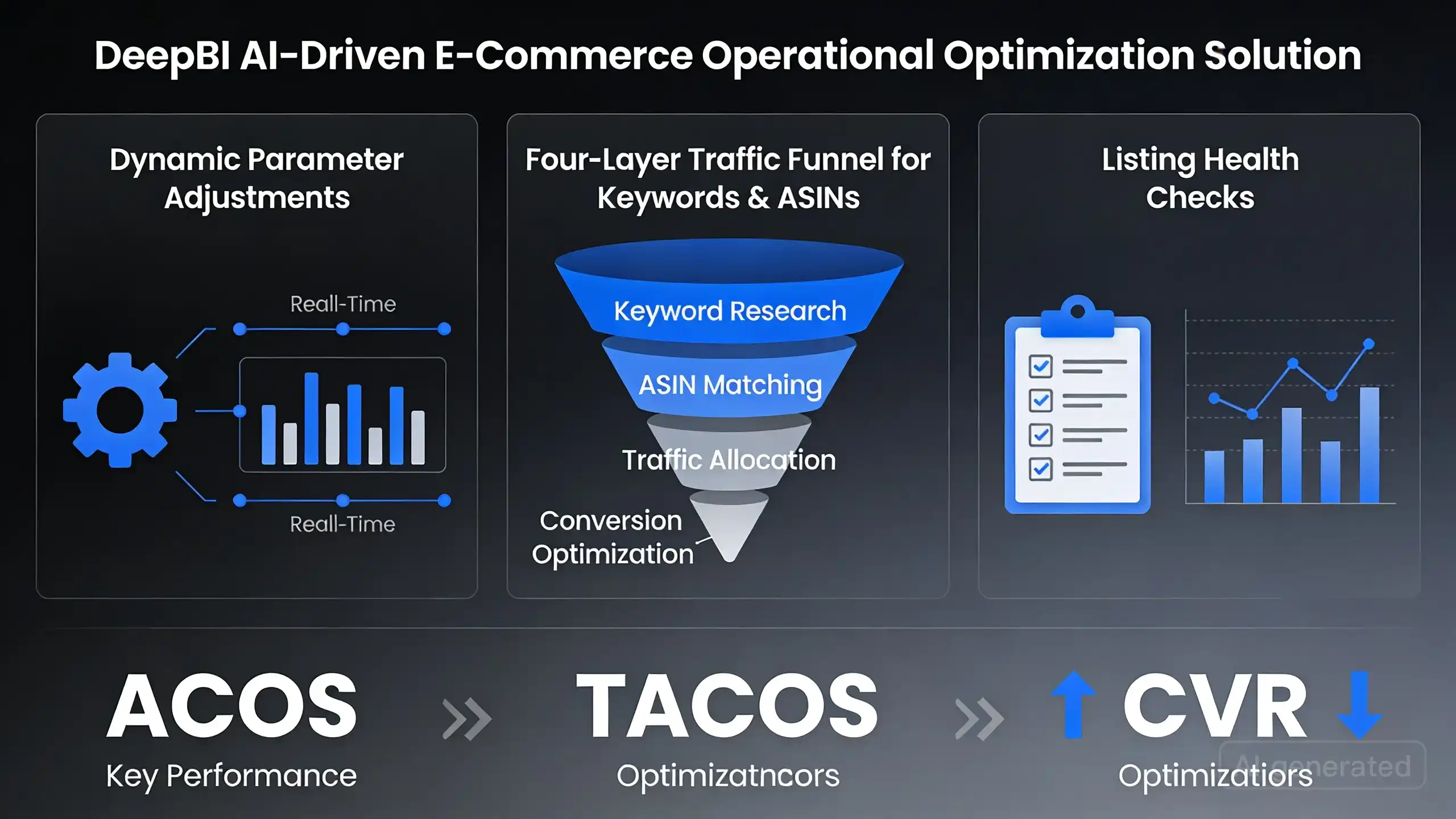
Effective ad cost control requires moving beyond manual adjustments and embracing an intelligent, automated system. DeepBI provides an AI-driven solution for full-link Amazon operational optimization, directly addressing the core challenges of wasted spend and inefficient targeting.
The system’s dynamic parameter adjustment mechanism is central to its effectiveness. It automatically fine-tunes bids and budgets on a daily basis, analyzing key performance metrics like clicks, conversions, spend, and ACOS from the past seven days. This data-driven approach ensures your budget is allocated for maximum impact while avoiding the instability caused by reacting to short-term performance volatility.
To ensure that ad spend is directed only toward high-potential traffic, DeepBI employs a sophisticated four-layer traffic funnel model for keywords and ASINs: Explore, Initial Screening, Precision, and Scaling. This structured process systematically filters out low-quality traffic, channeling your investment into opportunities with the highest probability of conversion and profitability. By linking ad performance to broader business goals, DeepBI helps you optimize not just for ACOS but for Total ACOS (TACOS), aligning your advertising strategy with overall organic growth and profitability.
Finally, DeepBI ensures that the highly qualified traffic you acquire actually converts. The integrated Listing module acts as an automated health check, providing intelligent scoring, diagnosis, and AI-powered content generation for your product pages. By enforcing a strict "product entity consistency" principle, it uses a 'Product DNA' map to generate visuals and text that are authentic to your product, mitigating the risk of negative reviews from product-image mismatches. This crucial final step maximizes the conversion rate (CVR) of your ad-driven traffic, ensuring the highest possible return on your ad spend.
 Measuring Success and Continuous Optimization
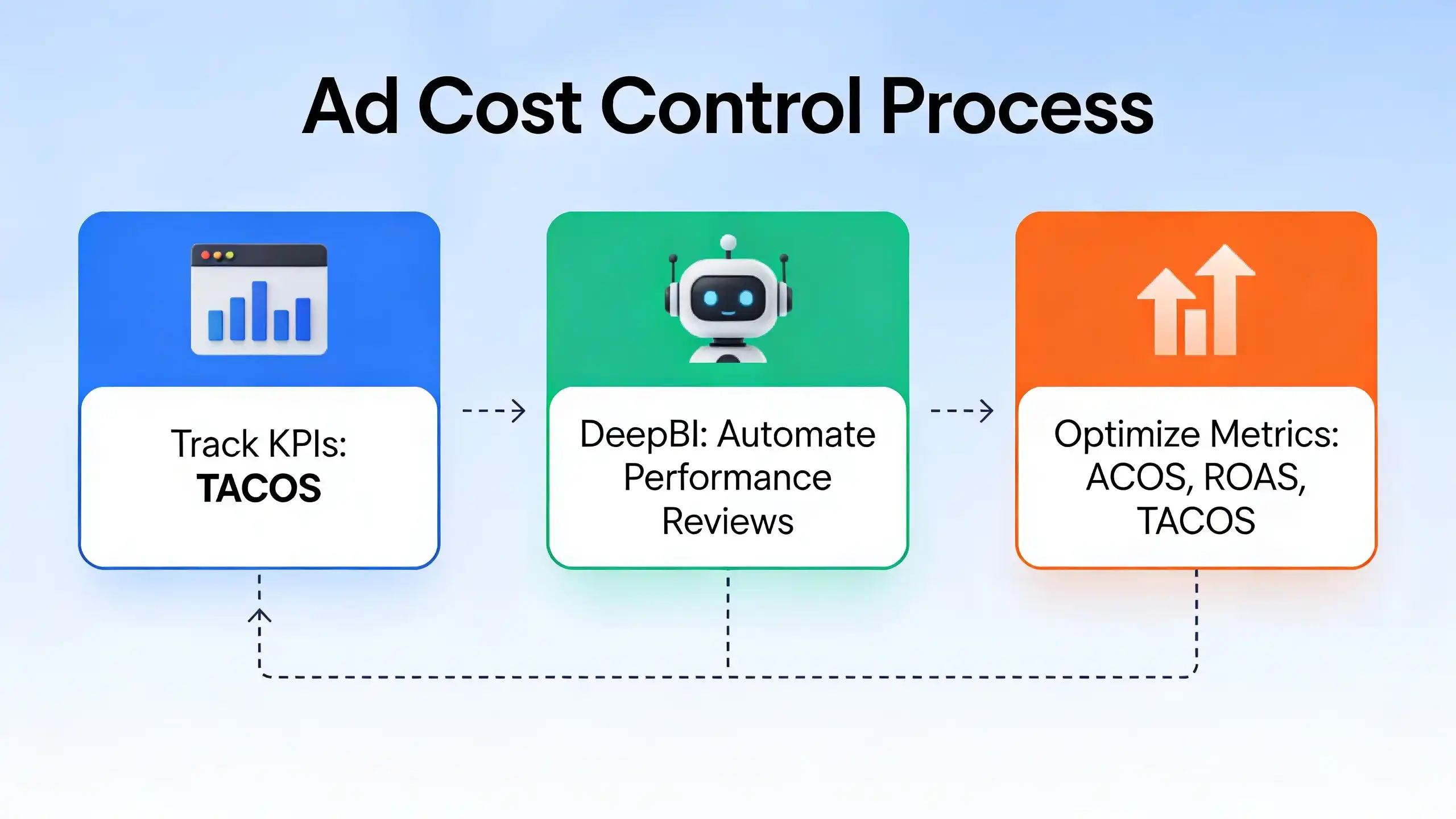
Effective ad cost control is not a one-time setup but a continuous cycle of measurement, analysis, and refinement. To gauge the success of your strategies, you must move beyond surface-level data and track the Key Performance Indicators (KPIs) that reveal the true health of your advertising ecosystem.
Start with the foundational metrics:
- Advertising Cost of Sale (ACOS): This measures the direct efficiency of your campaigns, showing ad spend as a percentage of ad-driven revenue. A lower ACOS indicates higher profitability for a specific campaign.
- Return on Ad Spend (ROAS): This offers the inverse view, calculating the total revenue earned for every dollar spent on advertising. It helps quantify the direct return on your investment.
However, the most critical metric for strategic growth is Total ACOS (TACOS). By measuring your ad spend against your total revenue—including organic sales—TACOS reveals the flywheel effect of your advertising. A decreasing TACOS signifies that your ad investment is successfully boosting organic rank and driving overall sales velocity.
Tracking these KPIs is only valuable when paired with regular performance reviews. This is where DeepBI transforms the optimization process. Instead of dedicating hours to manual data compilation, DeepBI delivers continuous, actionable insights, highlighting opportunities to adjust bids, reallocate budgets, and refine targeting. This automation turns optimization from a periodic chore into a sustained, data-driven practice, enabling you to consistently improve your ACOS, ROAS, and TACOS over time.
 Conclusion: Achieving Sustainable Profitability on Amazon
Navigating the complexities of Amazon advertising is no longer just about bidding higher; it's about bidding smarter. For many sellers, relying on manual data analysis or the limited insights from Seller Central's basic reports leads to reactive, inefficient spending and a perpetually high ACoS that erodes margins. This approach is simply not sustainable in today's competitive marketplace.
The path to consistent profitability requires a fundamental shift from guesswork to data-driven strategy. This is where an intelligent automation platform like DeepBI becomes indispensable. By leveraging AI to dissect performance data, automate bid adjustments, and uncover hidden cost-saving opportunities, DeepBI transforms ad management from a tactical chore into a strategic growth driver. It empowers sellers to move beyond simply managing ACoS to actively optimizing for true return on investment. By embracing this level of intelligent cost control, you are not just buying ads; you are investing in a scalable, profitable future for your brand on Amazon.