The Promise and Skepticism of AI in Amazon Advertising
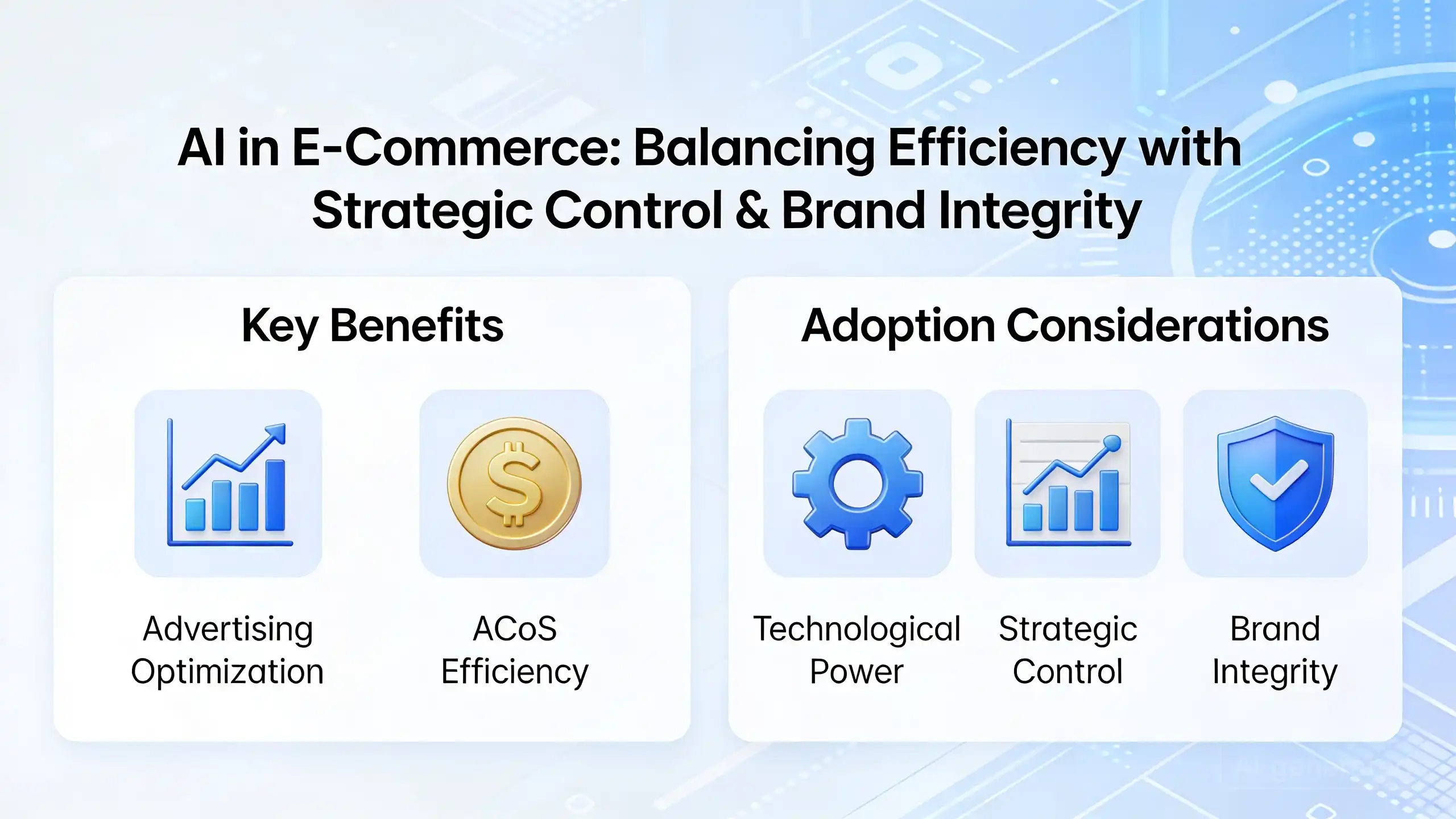
Artificial intelligence has moved from a futuristic buzzword to a tangible force within the Amazon ecosystem, promising to revolutionize how sellers manage their advertising. The core appeal of AI lies in its ability to process and act on vast datasets at a scale and speed no human team can match. For Amazon sellers, this translates into the potential for unprecedented efficiency—automating bid adjustments, harvesting high-performing keywords, and optimizing campaigns 24/7 to improve key metrics like Advertising Cost of Sale (ACoS).
However, this promise is met with a healthy dose of skepticism. Many sellers are wary of handing over control of their ad spend and brand messaging to what often feels like a "black box." Concerns are common: Will the algorithm understand the nuance of my brand? What happens if it makes a costly mistake? This apprehension is rooted in the risk of over-reliance on opaque systems that can, if not properly constrained, make decisions that misalign with business goals or even damage customer trust. The central question for sellers is not whether to use AI, but how to harness its power without sacrificing strategic control and brand integrity.
 How AI Optimizes Amazon Ads: Mechanisms and DeepBI Capabilities
At its core, AI transforms Amazon advertising from a manual, reactive process into a data-driven, predictive engine. It achieves this by operating on a scale and speed that is impossible for human analysts. AI systems process vast, complex datasets—including historical search queries, shopper purchase behavior, and competitor performance—to identify subtle patterns and growth opportunities. This analytical power underpins three key optimization functions: advanced data analysis, automated bid and budget management, and intelligent targeting.
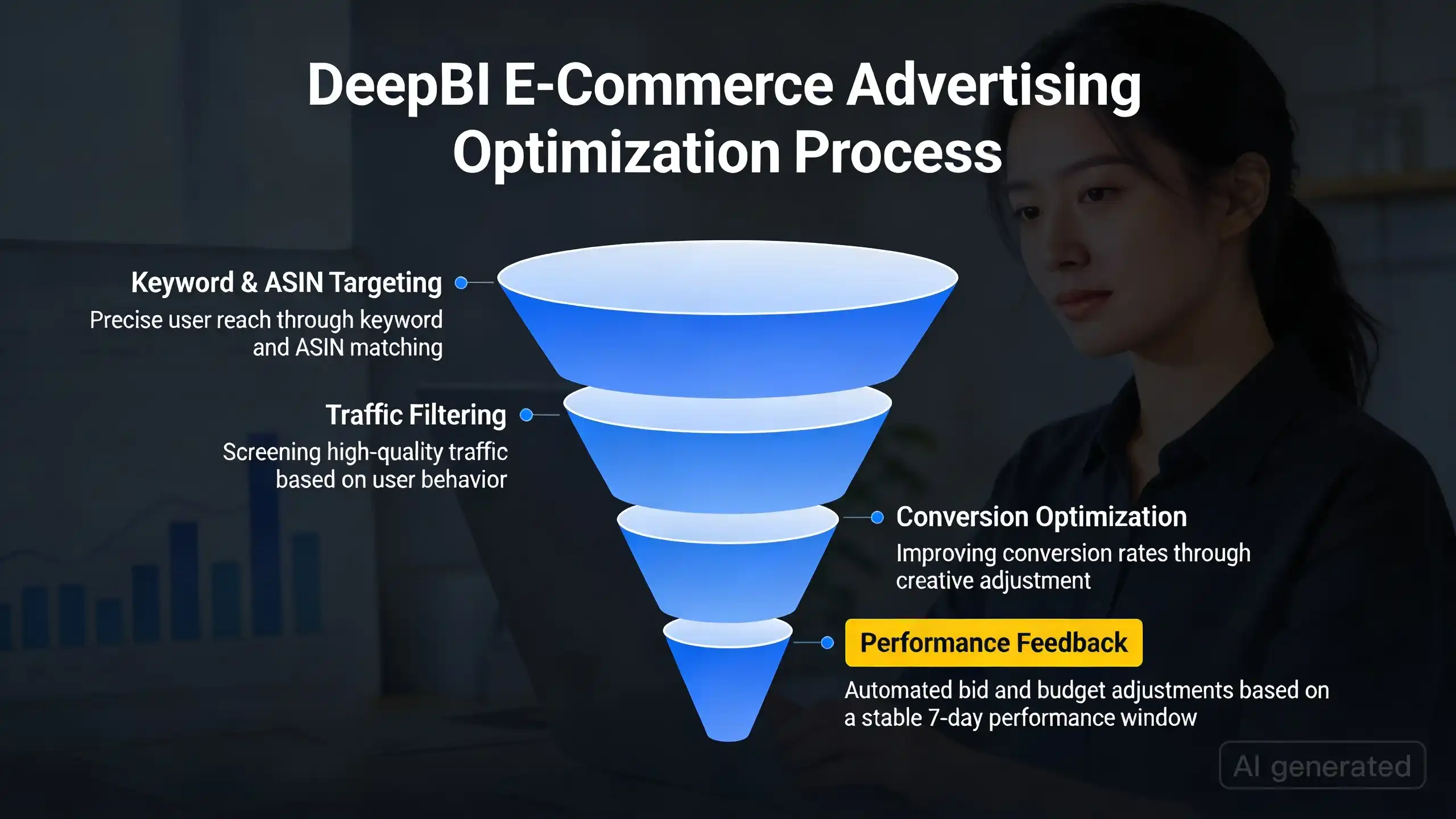
While general AI tools offer these capabilities, specialized platforms like DeepBI provide a more structured and stable approach. For keyword and ASIN targeting, DeepBI implements a four-layer traffic funnel model:
- Exploration: Identifies a wide net of potential new keywords and ASINs.
- Initial Screening: Tests and qualifies targets based on early performance indicators.
- Precision: Focuses budget on proven, high-conversion targets to lower ACoS.
- Scaling: Aggressively increases investment in top-performing targets to maximize market share.
This systematic funnel ensures that targeting strategies are comprehensive, moving from discovery to profitable scaling. Furthermore, DeepBI employs a dynamic parameter adjustment mechanism for bids and budgets. Instead of reacting to volatile single-day results, the system makes automated daily adjustments based on a stable 7-day window of performance metrics like clicks, conversions, and ACoS. This method avoids drastic, short-sighted changes, ensuring consistent campaign performance and more predictable cost control.
 Factors Influencing AI's Reliability in Amazon Ads
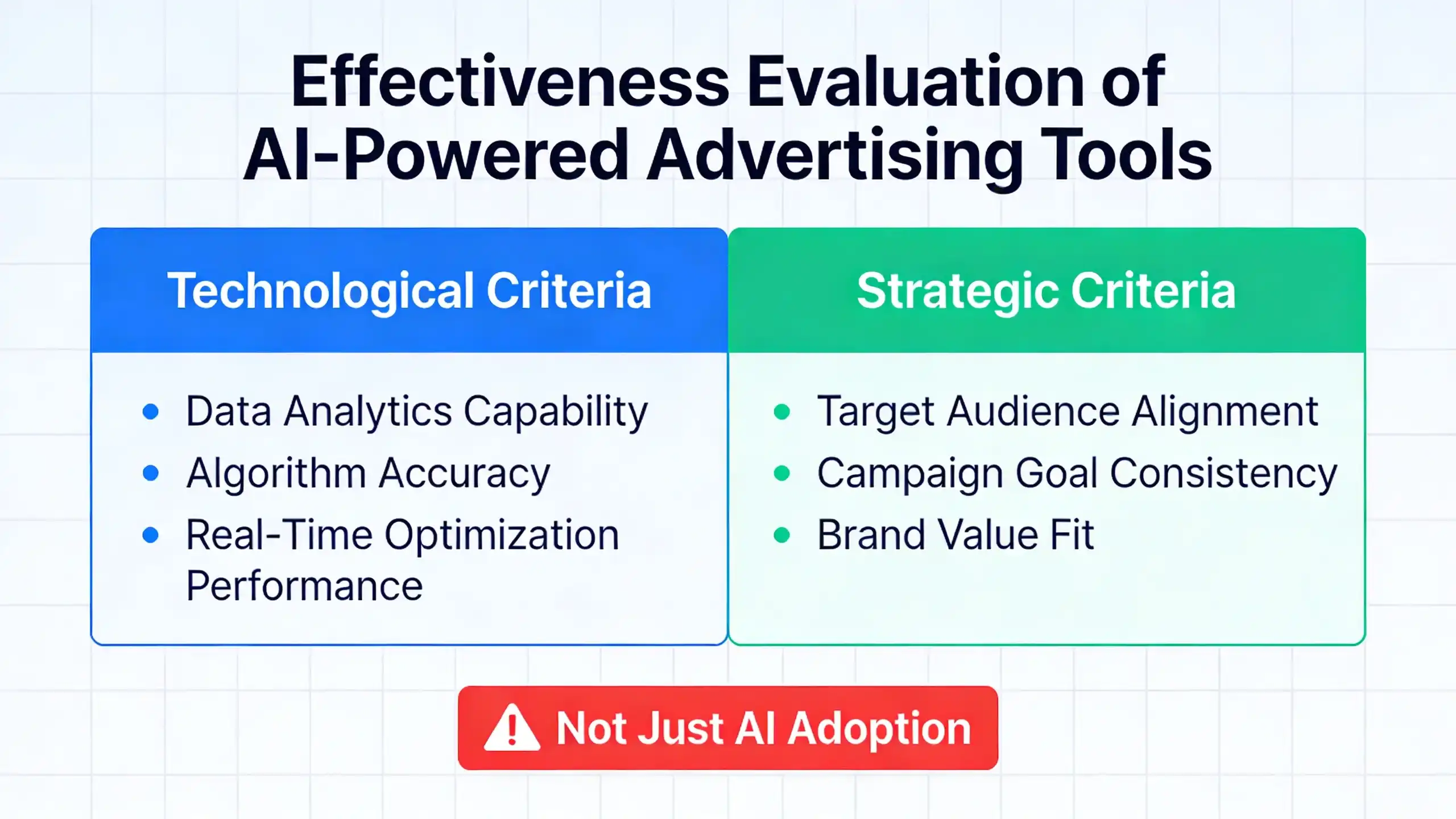
The effectiveness of an AI-powered advertising tool is not guaranteed; its reliability hinges on a combination of technological and strategic factors. Simply adopting "AI" is not enough. Sellers must evaluate solutions based on the following criteria to ensure they are leveraging a robust system and not just basic automation.
- Data Quality and Volume: AI models are fundamentally dependent on the data they are trained on. The principle of "garbage in, garbage out" is paramount. For an AI to optimize bids, target keywords, or adjust campaign structures effectively, it requires a substantial volume of high-quality, historical performance data, including impressions, click-through rates (CTR), conversion rates (CVR), and ACoS. Incomplete or inaccurate data will inevitably lead to flawed recommendations and poor campaign performance.
- Algorithm Sophistication: A significant gap exists between simple, rule-based automation and advanced machine learning. A sophisticated AI does more than automate tasks; it analyzes complex variables to generate strategy. For instance, advanced systems can create a "Product DNA" map to ensure that AI-generated content remains true to the product, preventing brand-damaging "hallucinations." They employ multi-agent frameworks that can translate a diagnostic report into a set of executable optimization instructions, moving beyond simple keyword bidding.
- Seamless Platform Integration: The tool's ability to connect directly and securely with the Amazon ecosystem is critical for execution. A reliable AI solution should leverage Amazon's Selling Partner API (SP-API) to create a closed loop from diagnosis to delivery. This level of integration not only automates the application of optimizations, reducing manual effort from minutes to seconds, but also enhances account security by minimizing direct manual access.
- Human Oversight and Strategy: AI is a powerful co-pilot, not a replacement for the human strategist. The most reliable approach is a hybrid model where human expertise guides the AI. The seller sets the high-level business goals—such as prioritizing profitability, launching a new product, or defending market share. The AI then operates within these strategic boundaries to optimize tactics. Human oversight is essential for interpreting results, validating AI-driven decisions, and making nuanced adjustments that algorithms cannot.
 Beyond Ads: The Interconnectedness of AI Optimization Across Amazon
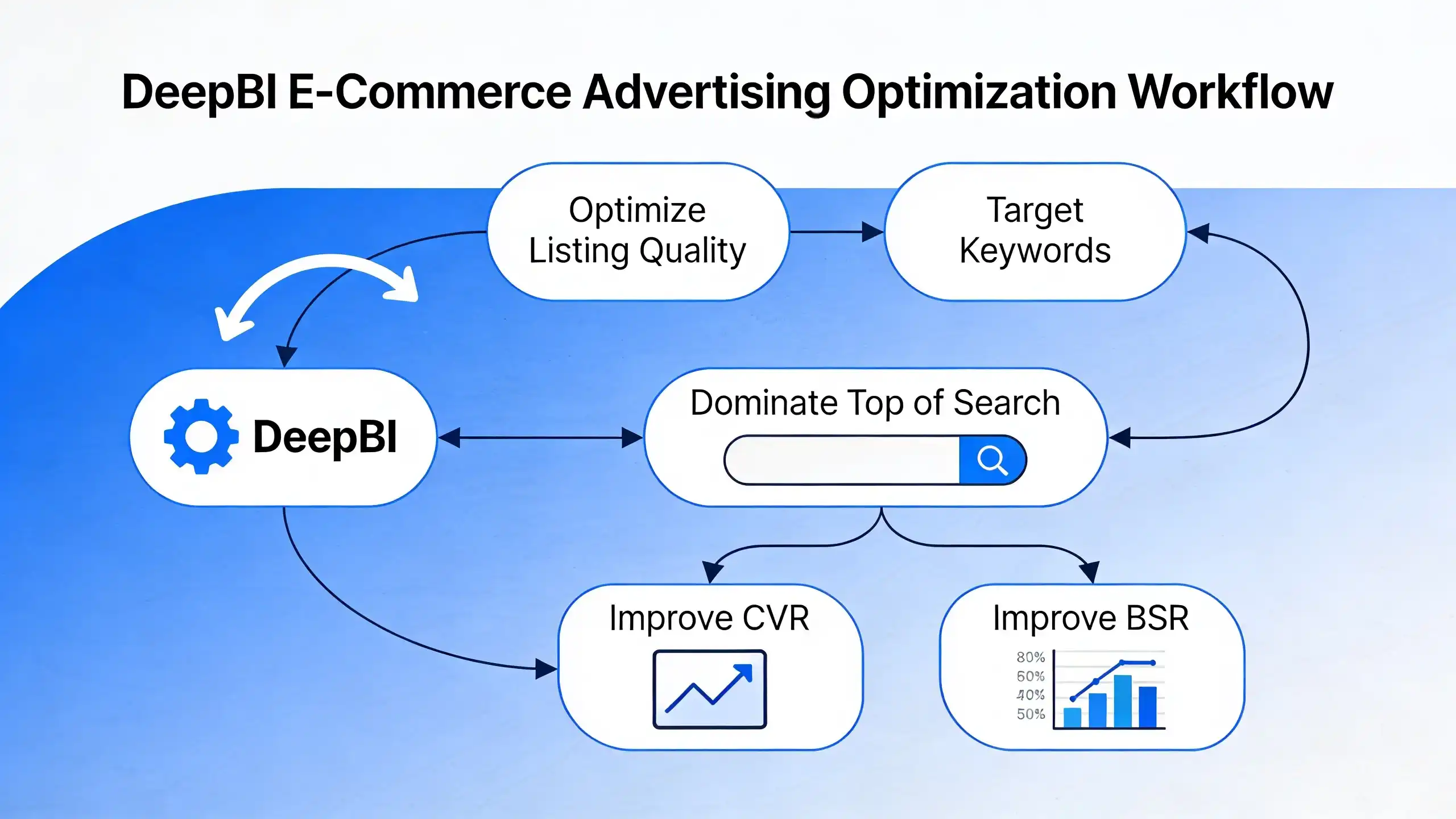
Reliable AI-driven advertising is not an isolated function; its success is deeply intertwined with the quality of your product listings and your organic search performance. Even a perfectly optimized ad campaign with a high Click-Through Rate (CTR) will waste budget if it directs traffic to a product detail page that fails to convert. This highlights a critical dependency: ad performance is capped by listing quality.
To address this, a holistic AI strategy must diagnose and improve the destination of ad traffic. Advanced systems like DeepBI perform this function by using distributed data crawling and multi-dimensional semantic analysis to score your listings against top competitors. It identifies specific weaknesses in main images, titles, bullet points, and A+ content that are suppressing your Conversion Rate (CVR). By ensuring ad traffic lands on a high-converting page, you maximize return on ad spend.
Furthermore, strong ad performance creates a positive feedback loop that boosts organic ranking. High sales velocity and conversion rates generated by ads signal to Amazon's algorithm that your product is relevant, which can improve its Best Seller Rank (BSR) and natural search placement. AI can strategically accelerate this flywheel effect. For instance, DeepBI's growth funnel analyzes ad data to identify keywords with the highest CTR, CVR, and order value. It then creates targeted campaigns to dominate Top of Search for these terms, driving a dual increase in both paid and organic traffic. True optimization reliability, therefore, comes from an interconnected system that manages the entire funnel, from ad click to organic discovery.
 Best Practices for Leveraging AI in Amazon Ads with DeepBI
To effectively integrate AI into your advertising strategy, you need a structured approach that goes beyond simply activating a tool. Success with AI, particularly with a sophisticated platform like DeepBI, hinges on combining clear objectives with a holistic, iterative process.
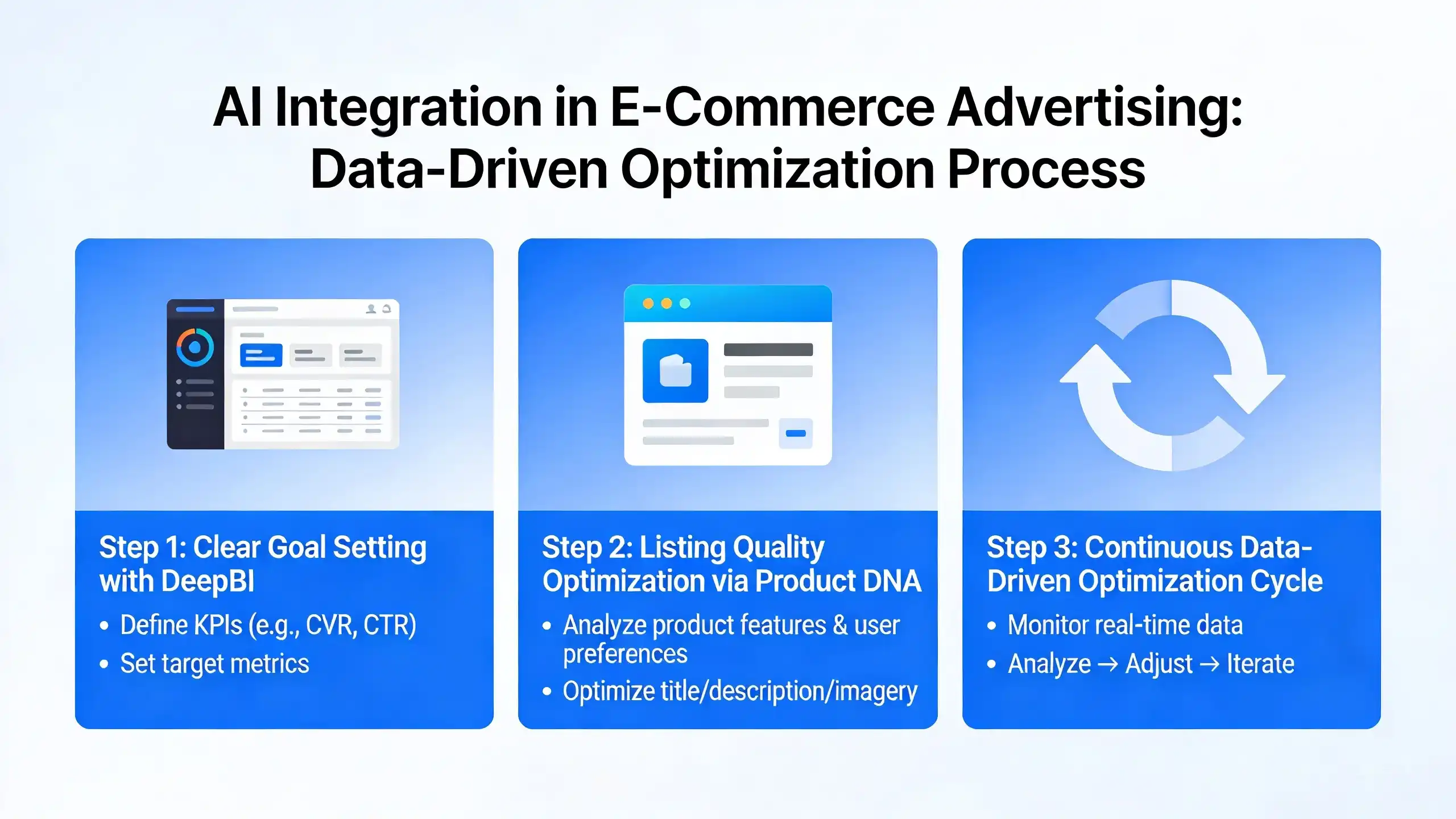
First, define specific, measurable goals for your campaigns. Whether your primary objective is to lower your ACoS, achieve a certain sales velocity, or improve your Click-Through Rate (CTR), these targets will guide the AI's optimization efforts and provide a clear benchmark for success.
Second, recognize that ad performance is fundamentally linked to your product listing's quality. Driving traffic to a poorly optimized page wastes ad spend and damages your conversion rate (CVR). This is where AI-driven listing optimization becomes critical. DeepBI's AI content generation suite addresses this by creating high-quality main images, A+ content, titles, and bullet points. Unlike general-purpose AI tools that can "hallucinate" and create product-image mismatches, DeepBI builds a "Product DNA" map to ensure all generated visuals are authentic to the physical product, mitigating the risk of negative reviews. This turns a subjective creative process into an automated production system, reducing update times from minutes to seconds.
Finally, AI is not a "set it and forget it" solution. Continuous monitoring and strategic iteration are essential. While you should conceptually A/B test different ad creatives and strategies, DeepBI provides a direct feedback loop. For instance, after publishing an AI-optimized image, the system automatically tracks its impact on your ad campaign's CTR, allowing you to quantify the results of each change. By leveraging DeepBI's integrated suite across Listing, Ads, and Organic Traffic, you create a powerful, data-driven optimization cycle that connects every part of your Amazon flywheel.
 The Future of AI in Amazon Ads: Evolving Reliability
The trajectory of AI in Amazon advertising is rapidly moving beyond simple bid automation and into an era of sophisticated predictive analytics and deeper customer personalization. This evolution is about shifting from "groping in the dark" with campaign settings to achieving "precision targeting" based on predictive data models. Future AI will not just react to performance data but will increasingly forecast market shifts, identify emerging customer segments, and suggest proactive strategic adjustments, making ad management less reactive and more forward-looking.
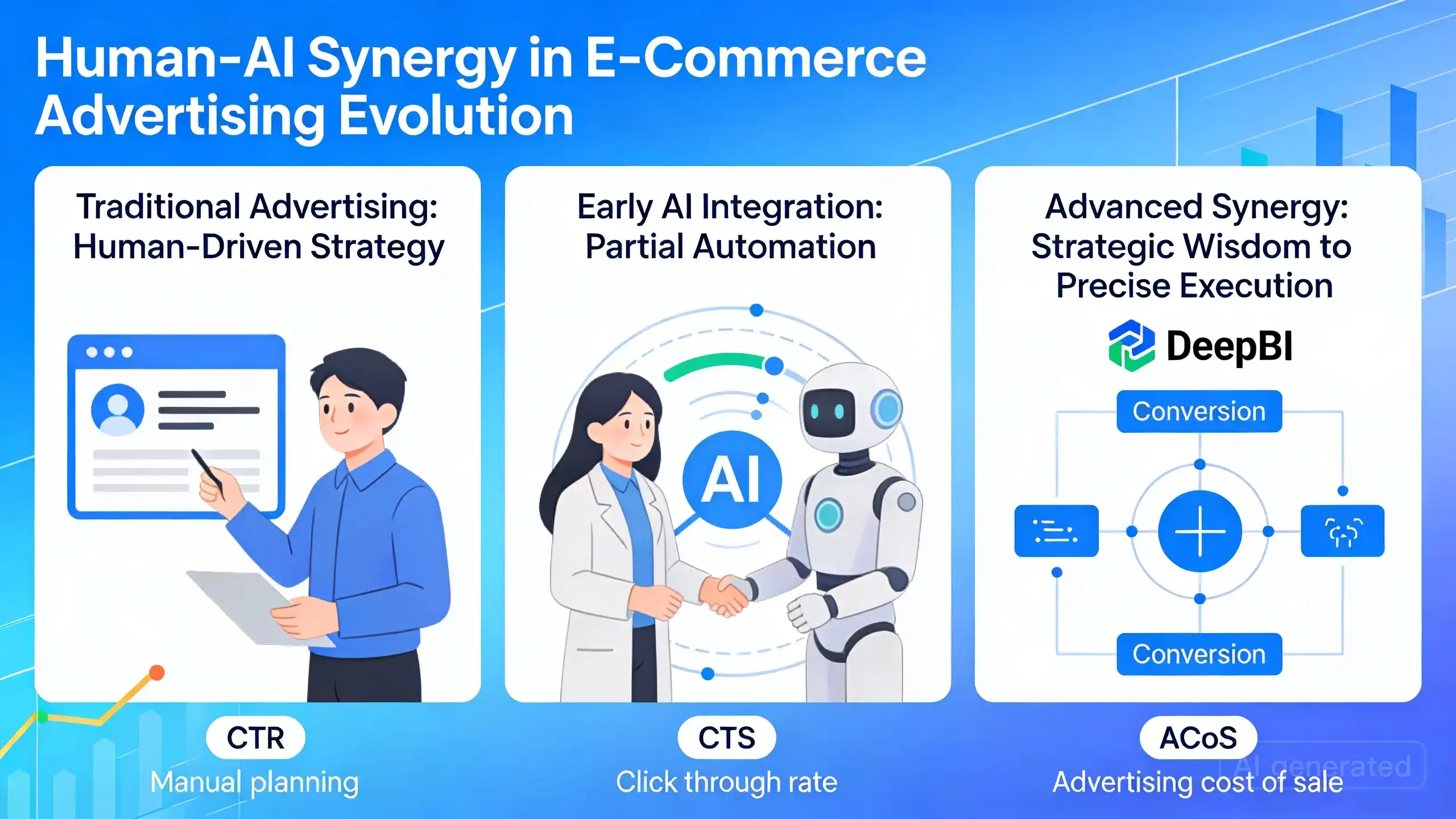
Despite these advancements, the core of reliable AI application remains the human-AI partnership. The most effective strategy is not one of total automation; we firmly believe that AI should not override human decision-making. Instead, reliability comes from a synergistic model where sellers provide the strategic direction and brand insight. The AI's role is to losslessly convert these abstract business goals into precise, executable instructions, eliminating the human uncertainty that can lead to costly errors.
This collaborative philosophy is central to platforms like DeepBI. By continuously integrating new AI capabilities, the goal is to enhance the seller's ability to make informed decisions, not remove them from the equation. Advanced systems create feedback loops, tracking how changes impact key metrics like CTR and ACoS to refine future recommendations. The future of reliable Amazon advertising lies in this powerful combination: the strategic wisdom of the seller amplified by the analytical precision and tireless execution of AI.